Look at any city skyline in Australia and you will probably spot them: tall tower cranes standing over half-built apartment blocks, their jibs slowly swinging loads into place. Down at street level, mobile cranes lift air-conditioning units onto rooftops, place precast panels on suburban building sites and help install bridges, wind turbines and infrastructure across the country.
Cranes are the quiet heroes of construction. Without them, many projects would grind to a halt. Yet most builders do not own the cranes they rely on. Instead, they turn to specialist providers such as Sventek Cranes for equipment and experienced operators matched to each job, keeping projects moving without the cost and complexity of owning a fleet.
Why most builders hire rather than buy
Cranes are expensive machines. Beyond the purchase price, they require skilled operators, regular servicing, inspections, insurance, transport and storage. For most construction companies, owning a fleet capable of handling every type of lift simply does not make financial sense.
Hiring provides flexibility. A builder can book a small mobile crane for a residential job one week and a large crawler crane for a commercial project the next. They pay only for what they need, when they need it.
Different cranes for different jobs
Not all cranes are created equal, and choosing the right one is critical.
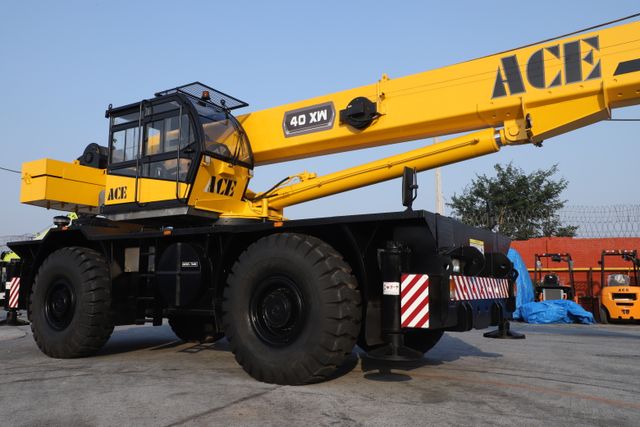
Mobile cranes are mounted on trucks and can travel on public roads, making them ideal for short-term lifts on different sites. They come in a wide range of sizes, from compact city cranes to large all-terrain models.
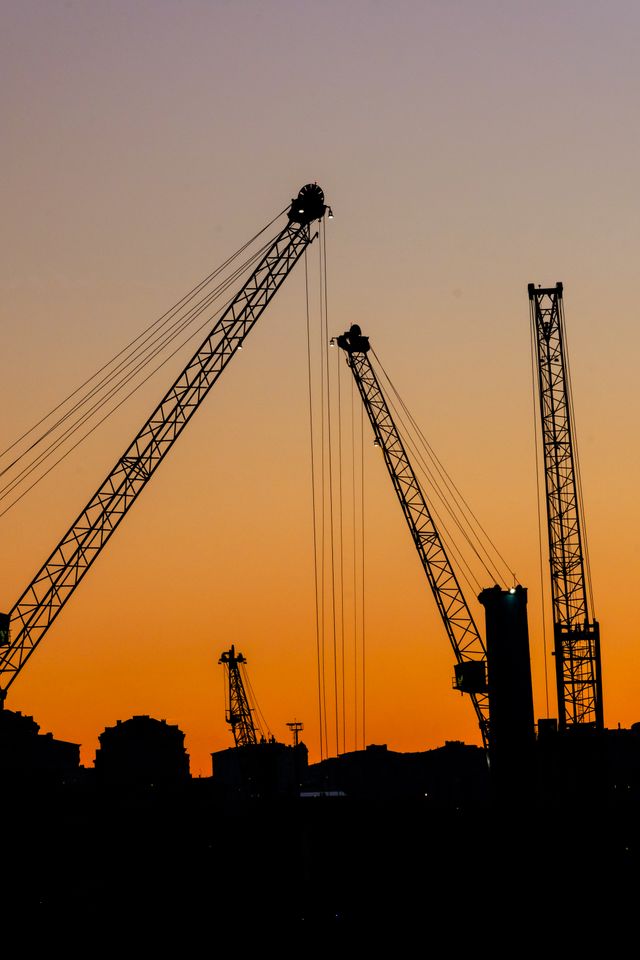
Tower cranes are fixed to the ground or a building structure and are typically used on high-rise projects that require lifting over many months.
Crawler cranes move on tracks and are suited to heavy lifts on rough or soft ground, often used in infrastructure and civil works.
Franna or pick-and-carry cranes can lift and move loads around a site, which is handy for smaller projects and industrial work.
Crane hire companies help clients select the right machine based on load weight, lift height, reach, site access and ground conditions.
Skilled operators make the difference
A crane is only as safe and effective as the person operating it. Crane operators in Australia must hold the appropriate high risk work licence for the type and capacity of crane they use. Experienced operators understand load charts, site conditions and how weather, particularly wind, affects lifting.
Dogmen and riggers are equally important. They select and inspect lifting gear, attach loads, direct crane movements and ensure lifts proceed safely. Hiring a crane with a qualified crew brings that expertise to the project.
Safety comes first
Crane lifts carry significant risks, including dropped loads, crane overturning and contact with overhead powerlines. Careful planning is essential.
Lift plans assess the weight and dimensions of the load, the crane’s capacity, ground conditions, exclusion zones and potential hazards. Pre-start checks, clear communication and adherence to work health and safety regulations help prevent incidents.
Reputable crane hire companies maintain their equipment to high standards and provide documentation showing inspections and certifications are current.
Keeping schedules on track
Construction projects often depend on tight sequences. If a crane is not available when needed, trades can be left waiting, causing delays and cost blowouts.
Planning crane requirements early and booking in advance, especially during busy periods, helps avoid bottlenecks. Experienced hire companies can also offer advice on the most efficient lifting approach, potentially saving time and money.
Beyond construction
Cranes are not just for building sites. They are used for installing machinery in factories, lifting boats, placing shipping containers, erecting signage, replacing rooftop equipment, supporting events and handling emergency recovery work. Their versatility makes them essential across many industries.
Choosing a crane hire partner
When selecting a crane hire company, look for experience, a well-maintained fleet, qualified operators and a strong safety record. Ask about insurance, availability and their ability to provide lift planning support.
The cost of getting it wrong
Choosing the wrong crane, or booking one too late, can be expensive. A machine that is too small for the lift may need to be swapped out on the day, wasting hire fees and leaving trades standing around. One that is far larger than necessary can be difficult to fit on site and costs more than it needs to. Delays to a critical lift can push back concrete pours, deliveries and follow-on trades, creating a domino effect across the program. A short conversation with an experienced hire provider during the planning stage usually prevents these headaches.
Lifting projects to new heights
Every completed building, bridge and major installation owes something to the cranes that helped put it there. By providing the right equipment and expertise at the right time, crane hire keeps Australia’s construction projects rising safely and on schedule.