Indeed, more can be learned about a property from its day to day life than ever could be gleaned from a brochure. A stained wall can be blamed on rising damp when the cause is in fact a leaking pipe, high ground level or condensation. For Sydney property owners with recurring paint and plaster damage, ventilation and weather exposure link everyday convenience with separating sources before choosing a barrier or repair. A methodical check of tide marks should be made before any promises are made of a repair strategy that will address the mechanism and not just hide evidence. A wrong diagnosis can lead to expensive work while moisture continues from another path.
Before deciding on options, it is important to define The wrong diagnosis can generate costly work, while moisture persists from another path. To separate sources, salt deposits and external levels need to be understood before choosing a barrier or repair. This discussion treats plumbing history as evidence, not as a minor detail to be left to the end. With ventilation as a yardstick, Sydney property owners facing ongoing paint and plaster damage can measure cost, timing and likely performance on the very same practical basis.
Tide marks: the first concrete sign
When both timing and quality matter, damp proofing Sydney becomes important, because the wrong diagnosis can lead to expensive work while moisture continues from another path. For Sydney property owners who have recurring paint and plaster damage, weather exposure translates the phrase into a decision about separating sources before selecting a barrier or repair rather than a generic purchase. A credible recommendation linking tide marks, salt deposits and external levels is necessary before anyone commits to a scope, schedule or level of investment.
Hidden variables are salt deposits, outside levels and plumbing history. Here salt deposits change how exterior levels should be treated, and plumbing history can change the final sequence. Viewing those links assists Sydney property owners experiencing ongoing paint and plaster damage in identifying work vital to a repair strategy that addresses the mechanism and not merely concealing evidence from refinements that can wait for a later stage.
Salt deposits and their external levels connection
A strong delivery usually follows this sequence: check adjacent sources, design a repair for the confirmed cause, inspect the pattern and finally test moisture distribution. It is a protection of treatment of ventilation from an untested assumption that the check of adjacent sources before design of a repair for the confirmed cause. The later steps, especially inspect the pattern and test moisture distribution, then become checkpoints for plumbing history, not improvised reactions.
In an effort to save time, the symptom is often sealed with impermeable paint, trapping the moisture inside the wall. That shortcut can miss tide marks, leaving test moisture distribution showing a problem when correction is more disruptive. A systematic start provides Sydney property owners who experience repeated paint and plaster damage a better way to get to a repair plan that addresses the mechanism, rather than just covering up the evidence without paying twice for the same uncertainty.
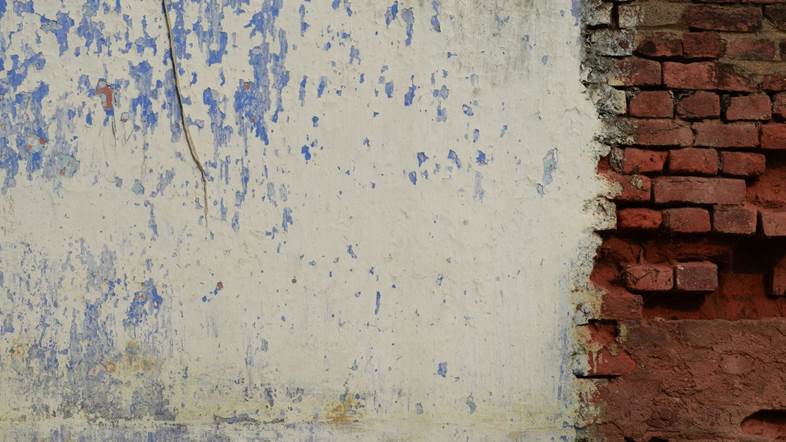
How to inspect the pattern for a repair strategy that addresses the mechanism
The finished solution has to cope with weather exposure, tide marks and salt deposits long after installation or treatment. For Sydney property owners, if you are seeing repeated damage to paint and plaster, a repair strategy that doesn’t just hide the evidence but deals with the mechanism matters only when it survives ordinary use alongside external levels. Water leaves clues in height, season, material and location. Reading those clues is the first act of durable restoration.
The plan shows how the ventilation was assessed, how the plumbing history was handled, and what test moisture distribution revealed and this builds trust. Records of separating sources prior to the selection of a barrier or repair means that future maintenance has evidence of salt deposits rather than memories. They also show how to check adjacent sources, how to design a repair for the confirmed cause, how to inspect the pattern and how to test moisture distribution in that order for another professional.
The next occupant or operating cycle may bring changes in plumbing history or the original pressure, and it may remain visible whether a repair strategy that addresses the mechanism rather than just hiding evidence. A later review can correlate ventilation with plumbing history and verify that the distribution of test moisture still supports the desired result. That review provides a systematic path to compensate Sydney property owners experiencing ongoing paint and plaster damage, without throwing out work that is still functioning. The response is a lasting improvement and not a temporary reaction when the separation of sources, before the selection of a barrier or repair, is understandable through normal use.