

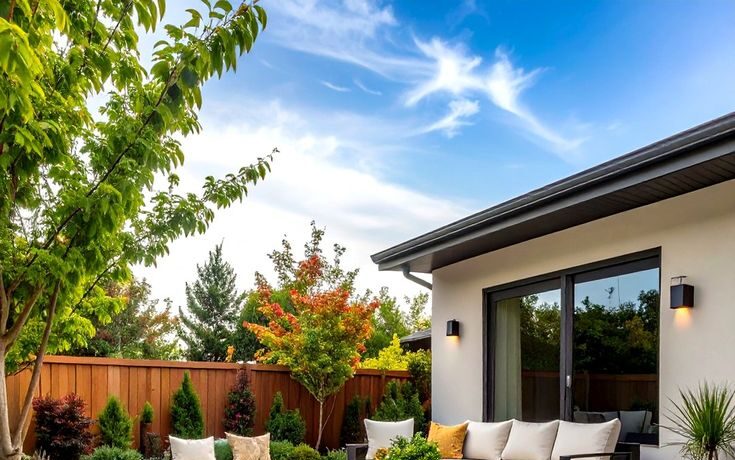
Natural stone offers a timeless way to enhance outdoor spaces with texture, character, and lasting visual appeal. Whether used for a welcoming patio, a winding garden path, or a peaceful courtyard, stone surfaces can complement the surrounding landscape while creating practical areas for everyday use. With a variety of colours, patterns, finishes, and stone types available, homeowners can design outdoor spaces that reflect their personal style and the architecture of their property. Materials such as sandstone, limestone, slate, and granite each bring distinctive qualities to outdoor projects, making it easier to achieve everything from a rustic garden setting to a contemporary entertaining area. By combining thoughtful material selection with careful planning, natural stone can help transform ordinary outdoor areas into attractive and functional extensions of the home.
Creating a Beautiful Patio with Natural Stone
A natural stone patio can become the centrepiece of an outdoor living area, providing an inviting place to relax, entertain guests, and enjoy the surrounding garden. Sandstone is a popular option for its warm colours and naturally varied surface, while limestone offers a more refined appearance with subtle shades and understated patterns. Slate can introduce darker tones and distinctive textures, creating an appealing contrast with lighter outdoor furniture and green planting. Choosing the right outdoor stone tile depends on the desired appearance, local climate, and intended use of the patio. Selecting stone that complements the home’s exterior can help create a cohesive design that feels connected to the wider property.
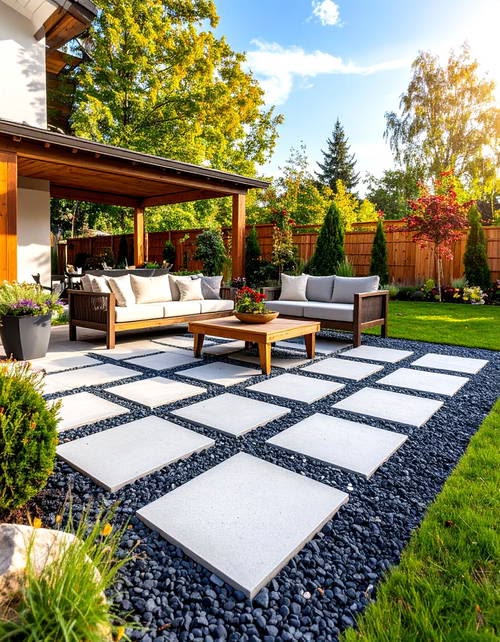
The layout of the patio also plays an important role in its overall appearance and functionality. Large stone slabs can create a spacious, contemporary look, while smaller pieces arranged in traditional patterns may suit established gardens and heritage-style homes. Contrasting borders can define the edges of the paved area, while coordinated steps or stone edging can create a seamless transition between the patio and the surrounding landscape. Homeowners should also consider where outdoor furniture, dining tables, and seating areas will be positioned before finalising the layout. Proper ground preparation and effective drainage are essential for creating a stable surface that remains attractive and usable over time.
Designing Welcoming Garden Paths and Walkways
Garden paths help connect different areas of an outdoor space while guiding visitors through planting beds, lawns, and decorative features. Natural stone pathways can introduce visual interest without overpowering the surrounding greenery, making them suitable for both compact gardens and larger landscaped properties. Stepping stones placed through grass or gravel can create a relaxed, informal appearance, while regularly spaced slabs offer a more structured design. Irregularly shaped stones may suit cottage gardens and naturalistic landscapes, whereas neatly cut paving can complement modern outdoor spaces. Choosing a pathway style that matches the garden’s overall character helps create a balanced and attractive result.
Practical considerations are just as important as appearance when designing a stone walkway. The path should provide a stable walking surface, with appropriate spacing and a suitable finish for the expected conditions. Textured stone can be beneficial in areas exposed to rain, although slip resistance varies between materials and finishes. Paths should also be designed with suitable gradients and drainage to reduce water accumulation and minimise the risk of uneven surfaces developing over time. In frequently used areas, a continuous paved path may offer greater convenience than widely spaced stepping stones. By considering safety, accessibility, and visual appeal together, homeowners can create walkways that make the garden easier to navigate while enhancing its overall design.
Enhancing Garden Spaces with Natural Stone Features
Natural stone can be used for much more than patios and pathways, providing opportunities to introduce attractive features throughout the garden. Stone retaining walls can help manage changes in ground level while creating raised planting areas that add depth and structure to the landscape. Decorative stone edging can separate lawns from garden beds, while gravel and larger stone accents can introduce contrast around shrubs and ornamental plants. These elements help define different zones without relying entirely on fences or artificial materials. When selected carefully, natural stone features can create a sense of continuity across the garden and complement existing landscaping.
Courtyards and smaller garden spaces can also benefit from the use of natural stone. A compact paved seating area surrounded by plants can create a peaceful retreat, while stone benches, stepping stones, or a small decorative feature can add character without occupying too much room. Lighter-coloured stone may help a shaded courtyard feel brighter, whereas darker stone can create a more intimate atmosphere in a spacious garden. Combining stone with timber, metal, water features, and carefully selected plants can introduce a variety of textures that make the landscape more engaging. The key is to maintain a consistent design approach so that each feature contributes to the overall appearance rather than competing for attention.
Choosing the Right Natural Stone for Your Outdoor Project
Selecting the right stone involves balancing appearance with durability, maintenance, and suitability for the local environment. Sandstone is valued for its warm, earthy tones, while limestone often provides a softer and more uniform appearance. Slate can create striking contrasts through its darker colours and layered textures, and granite is frequently chosen for its strength and distinctive appearance. However, natural stone varies considerably in porosity, hardness, surface texture, and resistance to weathering. Reviewing samples in natural daylight can help homeowners understand how the stone’s colour and texture will look alongside existing walls, plants, and outdoor furnishings.
The location of the installation should also influence the final choice. Patios exposed to frequent rain, pool surrounds, and garden paths may require surfaces with suitable slip resistance and drainage characteristics. Some stones may need sealing or additional care to help manage staining and moisture, while others may be easier to maintain under the same conditions. It is also important to consider the thickness of the stone, the stability of the base, and the installation methods recommended for the selected material. Consulting an experienced paving professional can help identify suitable products and reduce the likelihood of installation problems. Taking time to assess these details can lead to a more durable outdoor design that meets both aesthetic and practical needs.
Maintaining Natural Stone for Long-Lasting Appeal
Regular care helps preserve the natural beauty of stone patios, paths, and garden features. Sweeping away leaves, soil, and other debris prevents dirt from accumulating, while occasional cleaning can help maintain the stone’s original appearance. The correct cleaning method depends on the material, surface finish, and type of staining involved. Gentle cleaning products designed for natural stone are generally preferable to harsh chemicals that may damage the surface or affect surrounding plants. Homeowners should follow the supplier’s care recommendations, particularly when dealing with delicate or porous stone varieties.
Periodic inspections can also help identify loose paving, damaged joints, water pooling, or early signs of deterioration. Repairing small issues promptly may prevent them from developing into larger problems that require more extensive work. Depending on the type of stone and local conditions, applying a suitable sealer may help reduce moisture absorption and staining, although sealing is not necessary for every product. Maintaining adequate drainage and avoiding inappropriate cleaning techniques can further support the longevity of the installation. With thoughtful material selection, professional installation, and consistent care, natural stone can remain an attractive feature of outdoor spaces while providing a timeless connection between the home and its surrounding landscape.

