A single missing part can keep a military aircraft on the ground, however advanced the rest of the machine may be. The 2026 Defence Industry Development Strategy treats that kind of dependence as a security risk, and it names seven Sovereign Defence Industrial Priorities, which Defence describes as the industrial capabilities it requires in Australia. Additive manufacturing is far from the whole answer. Research into it, though, is shaping how some of those capabilities could be built, repaired and sustained at home.
Why Sovereign Capability Is A Manufacturing Question?
Self-reliance in defence depends on more than ships, aircraft and armoured vehicles. It also rests on the industrial base that keeps them working: the firms that machine components, test systems, repair damage and supply spare parts. When a part must come from overseas, a disrupted sea lane or a distant factory backlog can leave equipment idle for months. The 2026 strategy makes the link plain by presenting industry policy as part of security policy. That focus shifts attention towards the smaller, less visible links in the supply chain, where additive manufacturing research for defence and sovereign capability can make a practical difference.
Where Layer-By-Layer Manufacturing Fits?
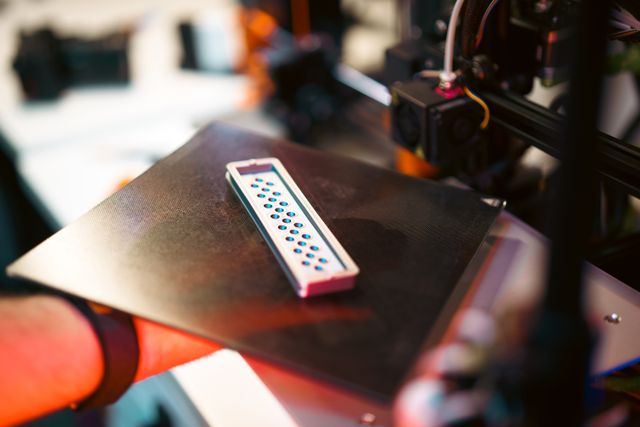
Additive manufacturing builds parts from digital designs by adding material layer by layer, rather than cutting it away from a solid block. CSIRO notes that metal printing is especially useful for smaller, complex, high-performance parts such as aircraft components, and that it can support production closer to where parts are needed. For defence, that points to clear uses: spare parts for older platforms no longer in production, low-volume components with complex internal shapes, and some repairs that would otherwise wait on overseas supply. A shorter supply chain is the real strategic prize, far more than the novelty of the machine itself.
Government Money Is Already Following
Recent grant rounds show where public investment is heading. Defence Industry Development Grants awarded between November 2025 and June 2026 included $1 million for a Western Australian company to acquire an advanced laser powder bed fusion machine to make propulsion systems. The same rounds funded a cold spray facility for manufacturing landing gear on an uncrewed aircraft program, alongside precision machining, heat treatment and non-destructive testing equipment. That mix matters. Printed parts rarely leave the machine ready for service, so the finishing, testing and inspection capability around a printer is as important as the printer itself.
The Big Hurdle of Qualification
A part may look perfect on a printer, but that’s not enough to trust it with serious business, i.e. defence. Military and aerospace components need to show they can consistently deliver, that the materials used are top-notch, that the manufacturing process is well controlled, and that there’s proof they can take a beating. CSIRO points out that manufacturers have to jump through all sorts of hoops to qualify their materials and processes, and that often, printed parts still need extra work done on them before they’re good enough. The questions here are tough ones: can a digital file reliably produce the same result even months later on two different machines? How in the world do you find problems deep down inside a metal part? Until we’ve got answers to these questions for each specific job, getting from a cool prototype to a part that’s actually qualified for serious use remains a slow and expensive process.
Feedstock: A Key Part of the Sovereignty Puzzle
A 3D printer is only as good as the materials it uses. Metal powders and other feedstocks need to be up to snuff on things like particle size, purity and consistency, and their reliability is basically a direct reflection of the reliability of the parts they produce. CSIRO reckons that finding cheaper, more reliable feedstocks is one of the next big things for this field. But when it comes to having control over our own capabilities, it’s not just about the printers; we also need to be thinking about the source and security of the materials we use. If we rely on a local printer but can’t get the materials to keep producing parts, we’re only halfway there.
Skills, Security and Data: The Whole Picture
It’s not just the machines that make or break our capabilities; it’s also the people. Designers, operators, metallurgists and inspectors all need to have a deep understanding of how things work and how to make them work better. Lots of smaller manufacturers don’t have the budget to go off and experiment with new techniques on their own, so sharing the costs and know-how with others is a big help. But security is also a growing problem: every printed part starts out as a digital file, so if someone can get their hands on that file and alter it without anyone noticing, the whole system is compromised. So protecting and controlling that data is a big part of the job.
What Real Progress Looks Like?
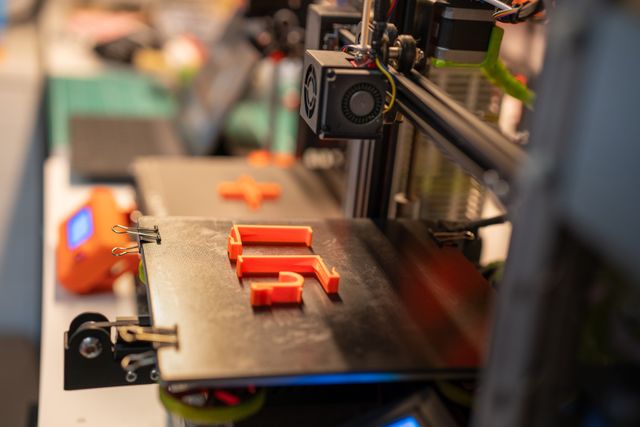
So success isn’t just about buying more printers; it’s about actually moving qualified parts into service, being able to fix things at home without waiting on parts from overseas, and having a workforce that’s confident enough to trust what they’re doing. Research that gets at all these connected threads (materials, processes, inspection, data security) is what turns promising tech into a capability that Defence can actually rely on when it matters most.