Selecting a suitable trencher begins with understanding the type of groundwork involved. Different projects require different trench widths, depths and excavation methods. Installing underground electrical cables, water pipes, irrigation systems or drainage lines can each involve specific site requirements.
Before choosing a machine, consider the length of the trench, required excavation depth and ground conditions. The available working area is another important factor, particularly when operating near buildings, fences or existing underground infrastructure.
Understanding these details helps narrow down the available equipment options. It also reduces the likelihood of selecting machinery that is either too small for the project or unnecessarily large for the working environment.
Choosing the Right Trencher Size
Trenchers are available in various sizes, from compact walk-behind models to larger ride-on and heavy-duty machines. The appropriate size depends on the scale of the excavation work and the amount of space available on-site.
Walk-behind trenchers are commonly used for smaller projects, including residential landscaping, irrigation installations and shallow utility trenches. Their compact design makes them useful in restricted areas where larger machinery may struggle to operate.
Ride-on Sunstate trencher hire provide additional operating capacity and are often suitable for longer excavation projects. Larger machines can handle more demanding applications, depending on their specifications and attachments.
When comparing options, consider machine dimensions, operating weight, manoeuvrability and transport requirements.
Considering Soil Conditions and Cutting Performance
Ground conditions have a significant influence on trencher performance. Soft soil, compacted clay, gravel and rocky surfaces can require different cutting capabilities and machine configurations.
A chain trencher uses a digging chain fitted with cutting teeth to remove soil. This design can be suitable for various trenching applications, depending on the machine’s specifications and the ground being excavated.
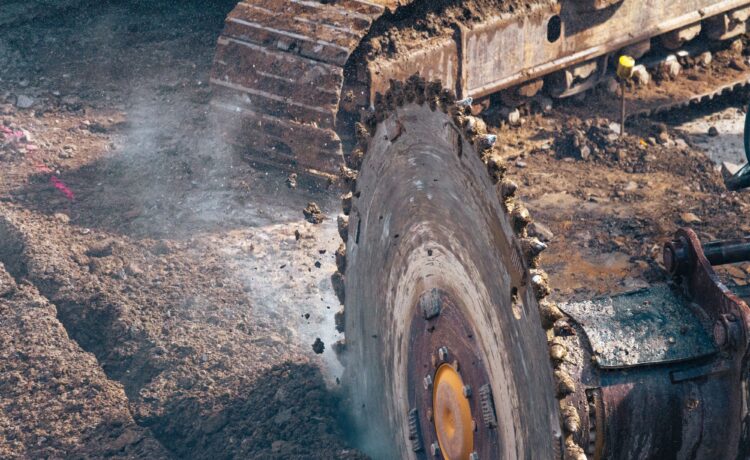
Wheel trenchers use a rotating cutting wheel and may be suitable for particular ground conditions and trench dimensions. Some models are designed for more demanding excavation tasks, including cutting through harder materials.
Choosing the correct cutting system helps improve excavation efficiency and reduces unnecessary strain on the equipment. Contractors should assess the soil carefully before selecting a machine.
Checking Trench Depth and Width Capabilities
The required trench dimensions are essential when determining whether a particular trencher is suitable. Different underground installations need different amounts of space, depending on pipe diameters, cable requirements and engineering specifications.
A machine should have sufficient digging depth and cutting width to meet the project’s requirements. It is also important to consider whether these dimensions can be achieved consistently across the entire excavation area.
Before hiring or purchasing equipment, review the manufacturer’s specifications and confirm that the machine can complete the intended work. Selecting suitable dimensions helps avoid additional excavation and unnecessary adjustments during installation.
Evaluating Machine Attachments and Practical Features
Additional features can make a trencher more versatile across different groundwork applications. Adjustable digging components, different chain configurations and interchangeable cutting teeth can help adapt equipment to specific excavation conditions.
Some machines also include adjustable controls, ergonomic operating positions and track systems designed to improve stability on uneven surfaces.
Consider how frequently the trencher will be used and whether additional attachments could support future projects. Choosing equipment with suitable features can improve flexibility without investing in unnecessary capabilities.
Prioritising Safety, Maintenance and Operating Costs
A suitable trencher should also meet the project’s safety and maintenance requirements. Before operation, inspect the cutting components, tracks, controls and protective features. Operators should receive appropriate training and follow the manufacturer’s instructions.
Underground utility locations must be identified before excavation begins. Contractors should also establish suitable exclusion zones and follow site-specific safety procedures to reduce the risk of accidents.
Maintenance requirements and operating costs should be considered when comparing equipment. Hiring may be suitable for occasional groundwork, while purchasing could be more practical for businesses with regular trenching requirements.