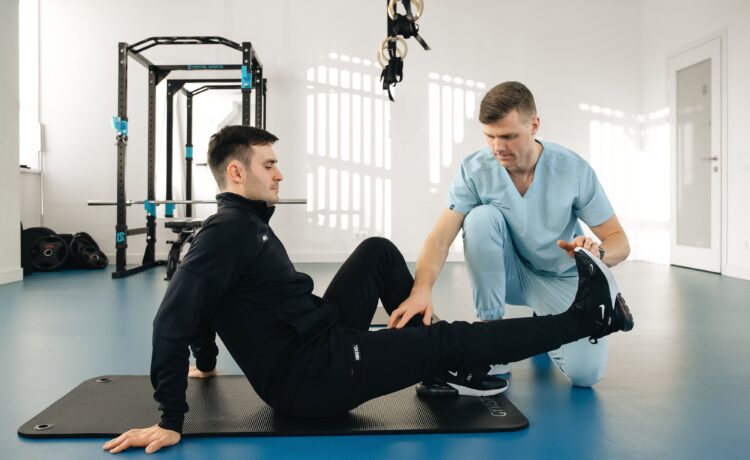
Physiotherapy is often seen as a pathway to recovery, but its benefits extend far beyond just rehabilitation. Whether you’re an athlete looking to enhance performance or someone recovering from surgery, physiotherapy offers tailored support for better movement and overall well-being. It bridges the gap between injury and functionality, helping individuals regain confidence in their bodies.
With personalized treatment plans designed by skilled therapists, you can unlock your body’s potential and discover new ways to move freely again. Let’s dive into how physiotherapy works and why it might be the key you need for optimal recovery and improved movement efficiency.
The Benefits of Physiotherapy for Movement and Recovery
Physiotherapy plays a vital role in enhancing movement and facilitating recovery. physio service
empowers individuals to regain strength and flexibility after injury or surgery.
One significant benefit is pain management. Through targeted exercises and modalities, physiotherapists help alleviate discomfort, allowing patients to engage in daily activities more freely.
In addition, physiotherapy improves mobility. By focusing on specific movements, therapists guide patients toward better coordination and balance. This can be particularly beneficial for those recovering from strokes or other neurological conditions.
Moreover, it promotes preventive care. Individuals learn techniques to avoid injuries during physical activities, fostering long-term health benefits.
Building confidence is another key advantage. Patients often feel encouraged as they achieve their rehabilitation goals, which further motivates them to push beyond perceived limitations.
Common Conditions Treated by Physiotherapy
Physiotherapy is a versatile treatment option that addresses various conditions affecting movement and function.
Many individuals seek physiotherapy for musculoskeletal issues, such as sprains, strains, or chronic pain in the back and joints. These problems can stem from injuries or degenerative diseases.
Athletes often turn to physiotherapists for rehabilitation after sports-related injuries. Conditions like tendonitis or ligament tears are common among those who engage in high-impact activities.
Neurological disorders also benefit from physiotherapy interventions. Stroke survivors may find improved mobility through tailored exercises designed to enhance coordination and strength.
Additionally, many people with respiratory conditions like asthma or COPD utilize physiotherapy techniques to improve lung function and breathing efficiency.
Each of these areas highlights the adaptability of physiotherapy in promoting recovery and enhancing quality of life across diverse patient needs.
Types of Techniques Used in Physiotherapy
Physiotherapy encompasses a variety of techniques designed to enhance movement and promote recovery. Each method is tailored to the individual’s needs, ensuring personalized care.
Manual therapy is one commonly used approach. It involves hands-on techniques that manipulate muscles and joints, aiming to relieve pain and improve mobility.
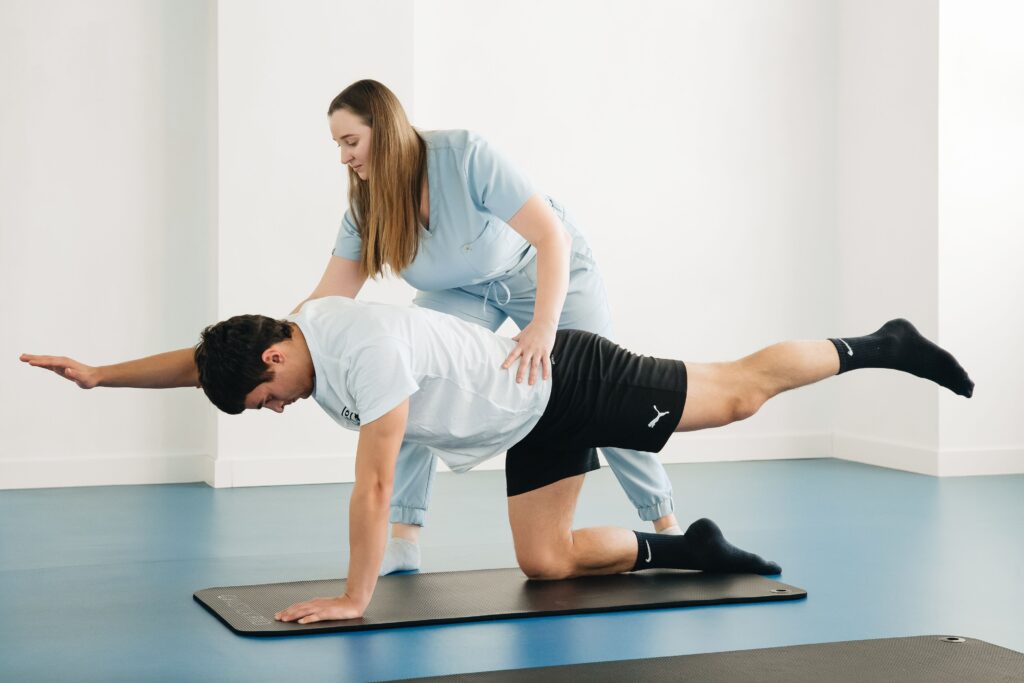
Another technique is therapeutic exercise. These are specific movements prescribed to strengthen muscles, improve flexibility, or restore function. Exercises can range from gentle stretching to more intensive strength training.
Electrotherapy also plays a role in physiotherapy. This technique uses electrical stimuli to reduce pain and facilitate healing by stimulating nerves and muscles.
Hydrotherapy utilizes water for rehabilitation purposes. Whether through swimming or exercises in warm water, it provides resistance while minimizing impact on joints.
Each of these techniques contributes uniquely to the recovery process, offering patients diverse options for achieving their goals.
What to Expect During a Physiotherapy Session
When you arrive for your physiotherapy session, expect a warm welcome and an initial assessment. Your physiotherapist will take the time to understand your medical history and any specific concerns you may have. This conversation helps tailor the treatment plan just for you.
After discussing your needs, a physical examination follows. The therapist may assess your strength, flexibility, balance, and range of motion. This hands-on evaluation is crucial in determining the best approach to support your recovery.
Once the assessment is complete, you’ll engage in various exercises tailored to improve movement and reduce pain. These can include stretches, strengthening techniques, or manual therapy methods aimed at restoring function.
Sessions typically last between 30 to 60 minutes depending on individual circumstances. You might also receive home exercise recommendations so that progress continues outside of appointments.
Don’t hesitate to ask questions throughout this process; understanding each step can empower your journey toward better movement and overall health.