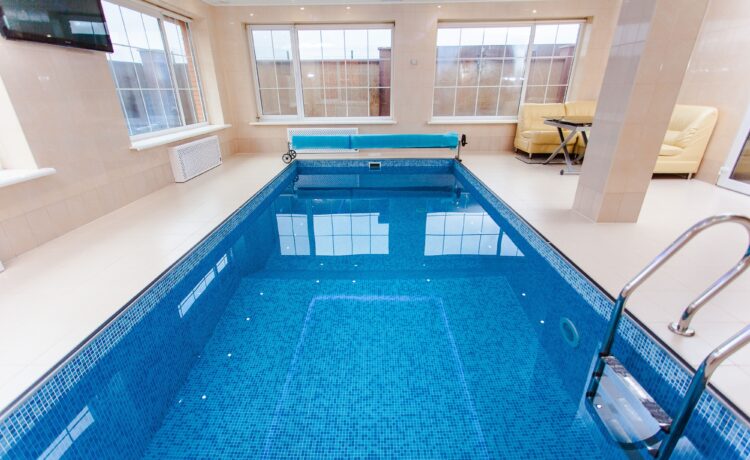
When it comes to creating the perfect swimming area, the right tile choice can make all the difference. Imagine stepping into your pool and being greeted by beautiful, inviting surfaces that not only enhance aesthetics but also provide safety and durability. The tiles you choose will play a crucial role in defining both functionality and style.
Choosing tiles for a swimming area isn’t just about picking colors or patterns on a whim. It’s a decision influenced by various factors such as water resistance, slip-resistance, maintenance requirements, and of course, personal taste. Whether you’re renovating an existing pool or building one from scratch, understanding what makes tiles suitable for wet environments is essential to crafting your ideal aquatic escape.
Let’s dive deeper into this important aspect of pool design! Discover how to make informed choices that elevate your swim space while keeping safety at the forefront.
The Importance of Choosing the Right Tiles for Swimming Areas
The right tiles can transform your swimming area into a stunning oasis. buy tiles for swimming pools that complement your outdoor space while providing the durability and style needed for a pool environment. They set the tone for relaxation and enjoyment while making a lasting impression on guests.
Choosing appropriate tiles is crucial for safety. Wet surfaces can become slippery, leading to potential accidents. Selecting slip-resistant materials helps keep everyone safe as they enjoy the water.
Durability plays a significant role too. Pool environments are harsh, with constant exposure to chlorine, saltwater, and UV rays. Quality tiles withstand these elements without fading or deteriorating over time.
Additionally, the right choice impacts maintenance efforts. Some materials require more care than others; investing in low-maintenance options saves time and hassle down the line.
Selecting suitable tiles enhances both functionality and aesthetic appeal of your swimming area—making it not just an eye-catching feature but also a practical one that stands up to daily use.
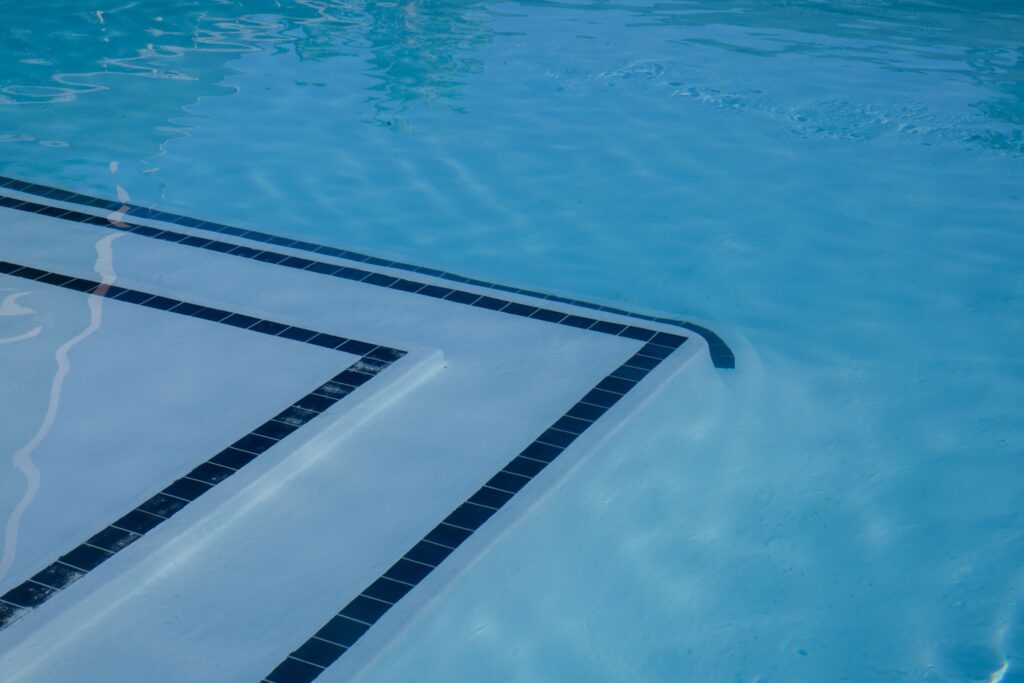
Factors to Consider When Choosing Pool Tiles
Choosing the right pool tiles involves several critical factors. First, consider durability. Pool areas endure constant moisture, so opt for materials that withstand wear and tear over time.
Next, think about slip resistance. Safety is a priority when wet surfaces are involved. Look for textured tiles or those rated highly for traction to prevent slips.
Color and design also matter significantly. Light colors can keep areas cooler under the sun while darker shades may absorb heat but offer a luxurious look.
Another essential aspect is maintenance requirements. Some tiles require more care than others; select options that fit your lifestyle and cleaning habits well.
Contemplate cost versus value. High-quality tiles might be pricier upfront but prove more economical in the long run due to their longevity and reduced need for replacements or repairs.
Types of Tiles Suitable for Swimming Areas
When choosing tiles for swimming areas, several types stand out.
Ceramic tiles are popular due to their durability and aesthetic appeal. They come in various colors and patterns, making it easy to match your pool’s design.
Porcelain tiles take durability a notch higher. Known for their low water absorption, they’re resistant to mold and mildew, which is essential in moist environments.
Glass tiles add a touch of luxury. Their reflective surfaces create stunning visual effects under water. However, they can be slippery when wet.
Natural stone offers an organic feel but requires more maintenance. Tiles like slate or travertine provide unique textures but may need sealing to prevent staining.
Each type brings its own charm and functionality to the table. Your choice will heavily influence the overall look and safety of your swimming area.
Benefits and Drawbacks of Each Type of Tile
Ceramic tiles are a popular choice due to their durability and wide range of designs. They resist moisture well, but can be slippery when wet. Choosing textured options can help improve traction.
Glass tiles add a touch of elegance with their vibrant colors. However, they require careful installation to avoid cracking and may show water spots more easily than other materials.
Porcelain tiles offer exceptional resilience against wear and tear. Their low porosity makes them great for swimming areas, though some people find them cooler underfoot compared to ceramic or natural stone options.
Natural stone tiles like travertine bring a luxurious feel but demand regular sealing to maintain their appearance. They are often porous, making them prone to staining if not properly cared for.
Each tile type has its unique advantages and challenges that impact both aesthetics and functionality in pool environments.
Maintenance and Safety Tips for Swimming Area Tiles
Maintaining your swimming area tiles is crucial for both safety and aesthetics. Regular cleaning helps prevent algae growth, which can lead to slippery surfaces. Use a gentle scrub brush and pool-safe cleaners to keep the tiles looking fresh without causing damage.
It’s also wise to inspect the grout lines frequently. Cracks or missing grout can allow water seepage, potentially leading to bigger issues over time. If you notice any wear, address it promptly with suitable repair materials.
Safety should be at the forefront of your tile choices as well. Opt for textured tiles that provide grip when wet, reducing slip hazards around your pool area. Be cautious of lighter-colored tiles; they may heat up under direct sunlight, making them uncomfortable for bare feet.
Consider using mats in high-traffic areas around the pool deck during peak usage times. This not only adds an extra layer of safety but also enhances comfort while lounging by the water’s edge.
Choosing and maintaining your swimming area tiles carefully will enhance both their durability and appearance while ensuring a safe environment for family and friends alike.